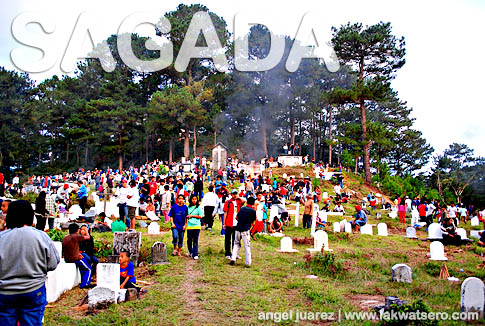
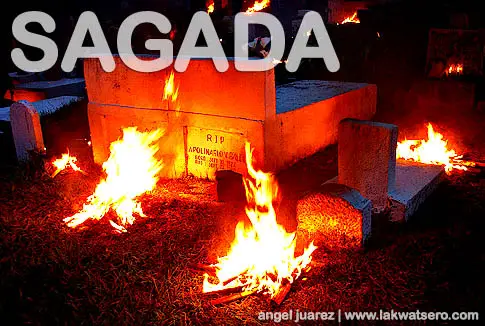
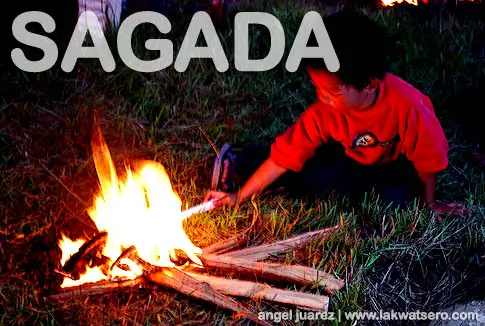
Every first day of November, Sagadians gather at the cemetery to remember their departed loved ones. But instead of lighting traditional candles, they use woods of old pine trees locally called “saeng“, a flammable wood from old pine trees, to create bonfires on the graves of their departed. They call it “panag-apoy”, a tradition long been practiced in Sagada, Mountain Province.
Shortly after the mass has ended, Sagadians proceed to the nearby cemetery to light their “saeng”.
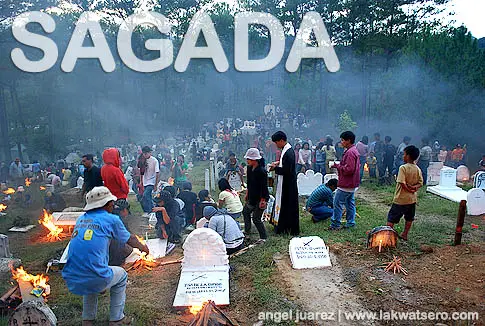
Before sundown, locals start lighting their “saeng” producing small bonfires on the tombs of their departed loved ones. Meanwhile the Episcopalian priest goes around to bless the graves.
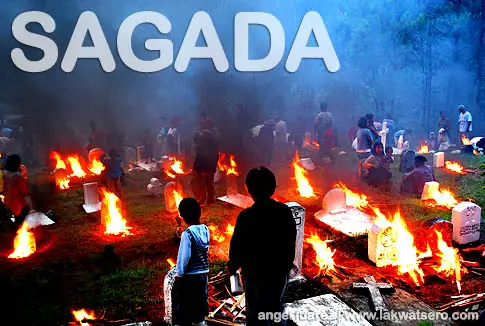
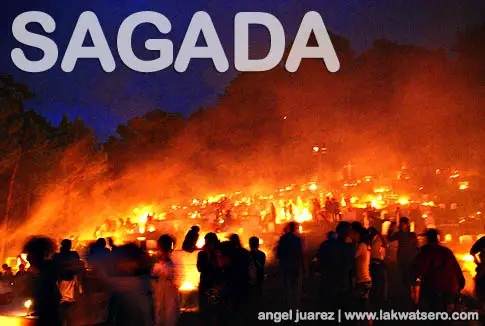
As the night falls and the woods ablaze, thick smoke engulfs the ground. Locals gather to remember their departed while tourists join to witness the rare tradition.
The use of “saeng” started a long time ago, when candles were not yet available. The practice was passed down from generation to generation until it became a tradition.
At sundown, the entire cemetery appears to be a town drowning in fire.
Others call it “Festival of Lights”, but locals refer to it as “Panag-apoy”, a Kankana-ey word that means “to light a fire”, a tradition long been practiced in Sagada and passed on even to present generation.
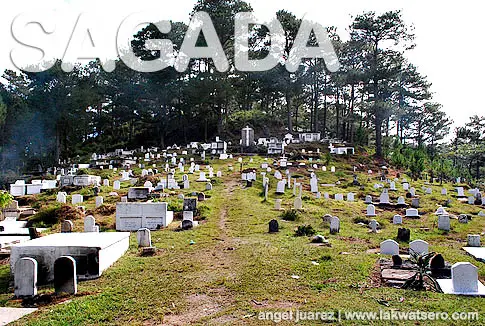
The next day, when all the fires extinguish and the smoke settles, what’s left are the ashes, burnt woods and smoked tombs. The cemetery will be another deserted land filled with a lot of memories.
Comments are closed.